myVEGAS Bingo - Bingo Games
- 4.5
- Rating
- 1.00M
- Installs
- Free
- Price

 Analysis by App-foxy
I went into myVEGAS Bingo expecting a simple mobile bingo game, and that is still the clearest way to understand it: it turns a familiar board-game format into a quick, multiplayer session designed for playing on a phone or tablet. The appeal is immediate. You can pick it up when you have a few spare minutes, follow the calls, mark your board, and enjoy the small tension that comes from waiting for the numbers you need.
What makes the decision less straightforward is that bingo players do not all want the same thing. Some want a relaxed solo activity, some want a social room with other players, and others prefer a traditional offline experience with no purchases or progression pressure. This game is aimed most clearly at the second group. It is free to install, rated Teen, and developed by PLAYSTUDIOS US, LLC, but the important question is not simply whether it is popular. It is whether its particular mix of multiplayer play, mobile convenience, and optional spending suits the way you like to play.
How I would decide whether it belongs on your device
I’d judge its staying power by whether I still choose a round when the first-week novelty has worn off, rather than by how often I open it at the start. I’d also notice whether it fits naturally into a spare moment without turning into a spending habit or a chore. That simple check makes the decision personal: the right next step is to see what would make it a comfortable, sustainable part of my routine.
You May Also Like

 Blood Strike: 2.5 Anniversary
Blood Strike’s Loadouts Turn Every Drop Into a Tactical Gamble
A close look at Blood Strike’s custom loadouts: how fast access to signature weapons reshapes its battle royale rhythm, rewards preparation, and narrows the gap between fights.

 Pandora - Music & Podcasts
Pandora’s Music Is Easy to Start, but Harder to Recover
Pandora’s strength is its low-effort path from a seed to a station. Its weak spot is how much confidence it asks you to place in connection, setup, and quiet recovery.

 8 Ball Pool
 Is Built on Rivalries, Rematches, and Routine
A close look at the rivalries, rematches, shared routines, and unanswered safety questions that turn a quick pool match into a persistent mobile community.

 Samsung Music
’s Quiet Strength Is Playing What You Already Own
Its reach comes less from spectacle than from dependable access to a personal library. That simplicity is both the app’s strongest retention engine and its ceiling.

 AccuWeather: Weather Radar
AccuWeather Review: A Quick, Clear Forecast for Everyday Decisions
For everyday plans, the best forecast is the one you can understand quickly. AccuWeather makes rain timing, radar, and local conditions easy to act on, with a few trade-offs.

 Hill Climb Racing
Why Hill Climb Racing Still Turns Crashes Into One More Run
A tiny car, a bumpy hill and one more upgrade: Hill Climb Racing keeps resurfacing because its simple chaos makes every near-miss feel personal.
More From Our News Desk



Start with the kind of bingo session you actually want
If I want something calm and completely self-contained, a physical bingo set or a very basic offline app may be a better fit. Those options usually make the rules and pace feel more transparent. I do not have to think about a connected game environment, event screens, or what I might be missing by not playing regularly.
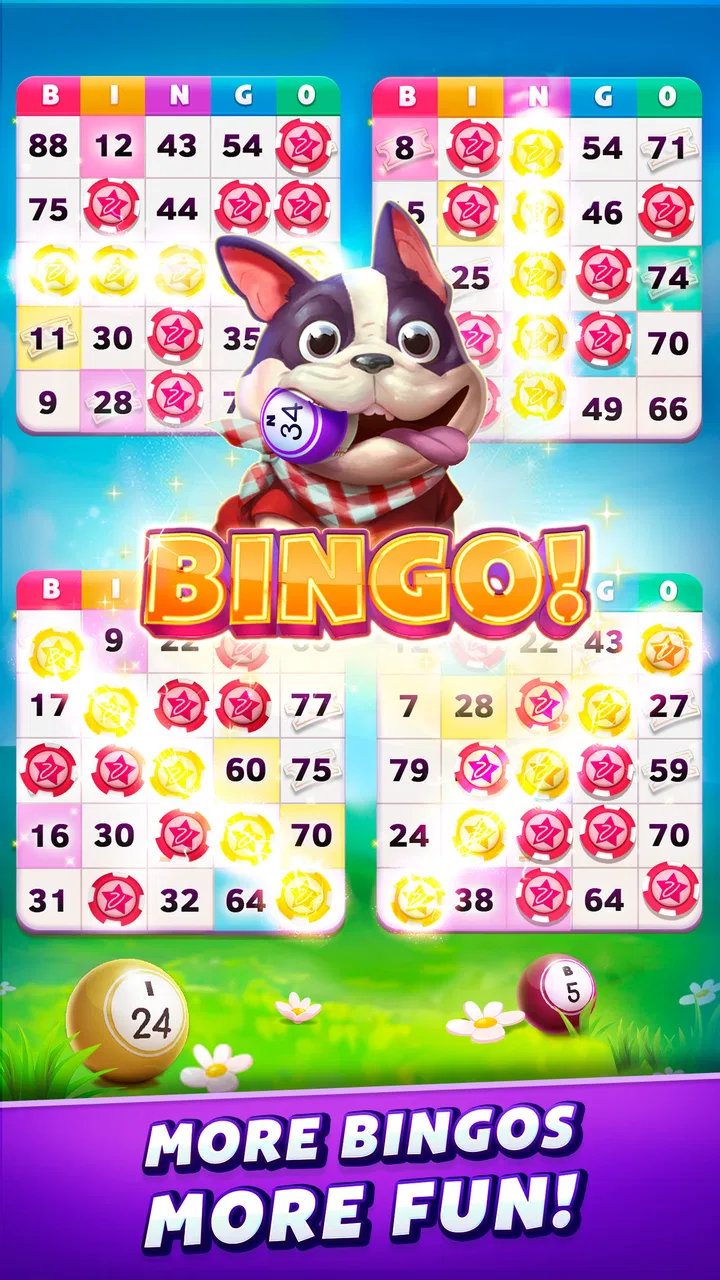
If I want a more lively session that feels designed for a broad online audience, this game makes more sense. Its store summary presents it as a multiplayer bingo game, and that emphasis matters. The experience is not just about marking squares; it is about taking part in a shared mobile activity where the pace and presentation add energy to a familiar format.
My first decision criterion, then, is social atmosphere. Choose this if the idea of playing alongside other people makes ordinary bingo more engaging. Skip it if you mainly want a quiet digital card that works like a paper sheet.
Think about session length and attention
Bingo works well on a phone because the central action is easy to understand at a glance. That makes it suitable for a waiting room, a short break, or a relaxed evening when I do not want a complicated strategy game. I can focus on the board without learning a large rule set first.
There is a trade-off, though. A simple board can become repetitive if I play for long stretches without a change of pace. I would treat this as a game for short, repeatable sessions rather than a replacement for a deep board-game night. If your ideal mobile game involves deck-building, long-term tactical planning, or a campaign, the bingo format will feel intentionally light.
Check your comfort with optional spending
The game is free, which lowers the barrier to trying it. It also includes in-app purchases ranging from $0.99 to $119.99 per item. That does not automatically make it a poor choice, but it does change how I recommend approaching it. I would install it with a clear personal limit and avoid treating purchases as part of the basic cost of entry.
This is especially important for anyone who enjoys collecting, progressing, or playing frequently. Small optional purchases can feel harmless during individual sessions, while the larger available items deserve more deliberate consideration. Parents should also take the Teen content rating seriously and review how the device handles purchases before allowing younger family members to play.
Use the platform details as a practical filter
The current version is 3.7.17824, and the game supports Android 7.0 or later. For an older Android device, that minimum requirement is useful when deciding whether an installation is possible. I would still leave enough storage and keep the operating system reasonably maintained, because multiplayer games are generally more comfortable when the phone is not already struggling with background tasks.
The game has passed the early-adoption stage rather than feeling like an obscure experiment. It has more than a million installs, an average rating of 4.5 from around 54 thousand ratings, and roughly 9.6 thousand written reviews. I see those figures as evidence that many players find the basic proposition appealing, not as a guarantee that every player will enjoy the same pace or spending model.
My practical test for a first session
When I assess a bingo game, I do not judge it only by the first few minutes. I look at whether I understand what to do without repeatedly opening help screens, whether the board remains readable on a smaller display, and whether the multiplayer focus adds enjoyment instead of distraction.
I also pay attention to how I feel after several rounds. If I am still interested because the shared setting makes each call feel meaningful, the game is doing something beyond copying paper bingo. If I am only continuing because I am waiting for a reward or trying to recover progress, that is a sign to slow down and decide whether the loop is genuinely fun for me.
Where the game is strongest
The biggest strength is accessibility. Bingo is familiar enough that I can explain the idea to a friend in a sentence, yet the mobile format makes it available without arranging a table, finding cards, or calling numbers myself. That combination is valuable for casual players who want a low-learning-curve game with a more social feel than a solitary puzzle.
I also like the way the format can fit around everyday interruptions. Imagine finishing dinner while a friend is waiting for a bus. Neither person needs to commit to a long strategy match. You can open the game, take part in a round, and return to other plans. That kind of flexibility is where a phone-based bingo title has a real advantage over a physical set.
The multiplayer identity is another reason to choose it over a plain digital card. A standard offline bingo app may be cleaner and more predictable, but it can also feel like a number generator with a board attached. Here, the shared setting gives the familiar calls a stronger sense of occasion. I would recommend it to someone who finds solitary bingo too flat but does not want a demanding competitive game.
It works particularly well for casual groups
This is not the app I would choose to organize a formal family tournament with carefully controlled rules. It is better for informal participation: a few rounds during a break, a low-pressure activity while chatting, or a way to introduce someone to mobile bingo without asking them to master a complicated interface.
That distinction helps set expectations. The game can make bingo feel more active and modern, but it does not transform the underlying format into a strategy-heavy board game. Its strength is convenience and atmosphere, not depth in the way a complex tabletop title offers depth through planning, negotiation, or resource management.
Small habits that make the experience better
My first tip is to decide before playing whether you are there for a short session or a longer run. A simple time boundary helps keep optional purchases from becoming an automatic response to wanting to continue. It also makes the game easier to fit into a busy day.
My second tip is to treat the board as the main focus and the surrounding game layer as a bonus. If you concentrate on every extra prompt or reward, the straightforward pleasure of bingo can get buried. I find the experience more satisfying when I let the round itself be enough, rather than measuring every session by how much progress I made.
My third tip is useful for shared devices or family settings: check the purchase controls before handing the phone to someone else. Because individual items can cost as much as $119.99, a quick review of the device’s purchase safeguards is sensible. This is not a criticism unique to this title; it is simply good practice whenever a free game offers optional items at several price levels.
Where another kind of bingo game may fit better
The clearest alternative is a traditional offline bingo app. I would choose that route for a child-free, distraction-free session where I want no multiplayer emphasis and no reason to think about an online game economy. It may also suit someone using an older device that meets the minimum Android requirement but feels slow with newer mobile software.
A physical bingo set is better when the real goal is face-to-face interaction. The cards, markers, and caller create a shared activity that a phone cannot fully reproduce. If you are hosting several people in one room, handing out physical boards can be more personal than asking everyone to stare at separate screens.
At the other end of the spectrum, a strategy board game is the better choice for players who want decisions to matter more than luck. Bingo is built around recognition, anticipation, and chance. That is precisely why it is relaxing, but it also means it cannot satisfy someone looking for meaningful control over every turn.
There is also a difference between multiplayer and competitive intensity. A shared game can feel social without being the right choice for someone who dislikes pressure, timed attention, or comparing progress with other players. If that sounds like you, a quiet solo puzzle may be more comfortable.
What may frustrate regular players
The main limitation is repetition. Once the novelty of playing bingo on a phone fades, the basic action remains the same. Players who need frequent mechanical variety may find that the format does not offer enough change, even if the presentation keeps individual sessions pleasant.
The free-to-play structure is another point of friction. I appreciate being able to try the game without paying upfront, but the broad in-app purchase range means I would not describe it as entirely cost-free in practice. A player who is comfortable ignoring purchases can keep the decision simple; a player who feels pushed to spend in order to maintain momentum should look elsewhere.
There is also a social mismatch for some users. Multiplayer can make a familiar game feel more alive, but it can also make the experience less private and less predictable than a solo alternative. If you want to pause constantly, play at your own rhythm, or avoid any sense of a shared room, this may not be the most relaxing option.
What switching to it really involves
Moving from a physical set to this game is easy in terms of rules, but it changes the social experience. You gain portability and lose the tactile pleasure of cards and markers. You can play without preparing a table, yet the phone becomes the center of attention rather than a shared object passed around.
Switching from a basic offline bingo app is a different trade. You may gain a livelier multiplayer setting, but you also accept a more layered mobile experience and the presence of optional purchases. I would make that switch only if the social element is the reason your current app feels dull.
Switching from a deeper board game requires the biggest adjustment. This is not a substitute for strategic decision-making. It is a lighter choice for moments when I want participation without a long mental commitment. Knowing that before installing it prevents disappointment.
Who should install it
I recommend it to casual bingo fans, players who enjoy multiplayer mobile games, and people looking for a familiar activity that can fit into short breaks. It is also a reasonable choice for friends or relatives who want something easier to learn than a modern strategy title. The free entry makes trying it straightforward, provided you are comfortable setting your own spending boundaries.
I would be more cautious about recommending it to anyone who wants a completely offline experience, dislikes optional purchases, or expects a large amount of strategic variety. Those players are likely to be happier with a physical set, a simple solo bingo app, or a different board-game category altogether.
My final recommendation
After weighing the format, audience, and trade-offs, I see this as a good multiplayer bingo game for casual mobile sessions, not as an all-purpose board-game replacement. Its strongest case is convenience: it puts a familiar activity into a social phone-based setting and keeps the learning curve gentle.
I would start with the free version, play without buying anything, and judge the experience by whether the multiplayer atmosphere genuinely improves bingo for you. If it does, the game has a clear place in your casual rotation. If you mainly want quiet, unlimited control and no purchase decisions, choose an offline alternative instead.
For me, the recommendation is positive but specific. The game earns its place when I want a quick shared round and do not need deep strategy. Its 4.5 average rating and broad install base show that this approach connects with a substantial audience, while the Teen rating and purchase range are reminders to use it thoughtfully. Install it for the social convenience, not because it promises a completely different kind of board game.
FAQs for myVEGAS Bingo - Bingo Games
01What is myVEGAS Bingo and how does it differ from other bingo games?
myVEGAS Bingo is a unique bingo game that combines traditional bingo gameplay with exciting Las Vegas-style rewards. Unlike other bingo games, myVEGAS Bingo allows players to earn real-world rewards such as hotel stays and dining experiences in Las Vegas. The game offers various themed bingo rooms and power-ups to enhance the gameplay experience.
02Is myVEGAS Bingo free to play, or are there in-app purchases?
myVEGAS Bingo is free to download and play, but it offers in-app purchases for additional coins, power-ups, and other game enhancements. While you can enjoy the game without spending money, some players may opt for in-app purchases to progress faster or access special features.
03Can I play myVEGAS Bingo without an internet connection?
No, myVEGAS Bingo requires an internet connection to function. The game needs to connect to its servers to enable live multiplayer games, synchronize your progress, and update available rewards. Make sure you have a stable internet connection to enjoy a seamless gaming experience.
04How can I redeem real-world rewards in myVEGAS Bingo?
To redeem real-world rewards, players must accumulate loyalty points through gameplay. These points can be exchanged for rewards such as hotel stays, dining, shows, and other experiences in Las Vegas. Rewards are redeemed via the myVEGAS app, and availability may vary based on location and demand.
05Is myVEGAS Bingo suitable for all age groups?
myVEGAS Bingo is intended for players aged 18 and older, as it involves real-world rewards and virtual currency purchases. It is essential for parents to monitor usage and ensure that younger players are not engaging with the app, given the presence of in-app purchases and gambling-like elements.
Pros
- Engaging gameplay with vibrant graphics.
- Offers daily bonuses and rewards.
- Includes social features for interaction.
- Variety of bingo rooms and themes.
- Frequent updates with new content.
Cons
- Requires internet connection to play.
- In-app purchases can be expensive.
- Advertisements can be intrusive.
- Limited offline features available.
- Can be slow on older devices.

myVEGAS Bingo - Bingo Games
Gallery